5 Signs of Dehydration You Probably Ignore
Health
3 min read

Most people think of dehydration as something that happens during intense exercise or on a hot day. But mild chronic dehydration is far more common than you'd expect — and its symptoms are easy to dismiss.
1. Afternoon Brain Fog
That 2-3 PM slump isn't always about sleep or caffeine. Even mild dehydration (as little as 1-2% body water loss) has been shown to impair cognitive performance, including attention, memory, and mood. If you consistently hit a wall in the afternoon, hydration status is worth examining.
2. Persistent Fatigue
Feeling tired despite adequate sleep? Dehydration reduces blood volume, which means your heart has to work harder to deliver oxygen and nutrients to your tissues. The result: a low-grade fatigue that no amount of coffee fully fixes.
3. Dry Skin That Moisturizer Can't Fix
Your skin is your largest organ, and it's one of the last to receive water when supplies are limited. If your skin feels dry, tight, or dull despite a solid skincare routine, the issue might be internal hydration rather than external moisture.

4. Muscle Cramps and Stiffness
Muscles are roughly 75% water. When cellular hydration drops, muscle cells can't contract and relax efficiently. This leads to cramps, stiffness, and slower recovery — especially after exercise.
5. Dark or Infrequent Urination
This is the most direct indicator. If your urine is consistently dark yellow or you're going fewer than 4-6 times per day, your body is conserving water — a clear sign of inadequate hydration.

What to Do About It
The first step is obvious: drink more water. But as we've discussed, volume alone doesn't guarantee cellular hydration. Supporting your body's osmolyte balance helps ensure that the water you drink actually reaches and stays in your cells.
This is the idea behind PassiveHydrate™ — optimizing your cells to hydrate efficiently throughout the day, not just during active drinking.
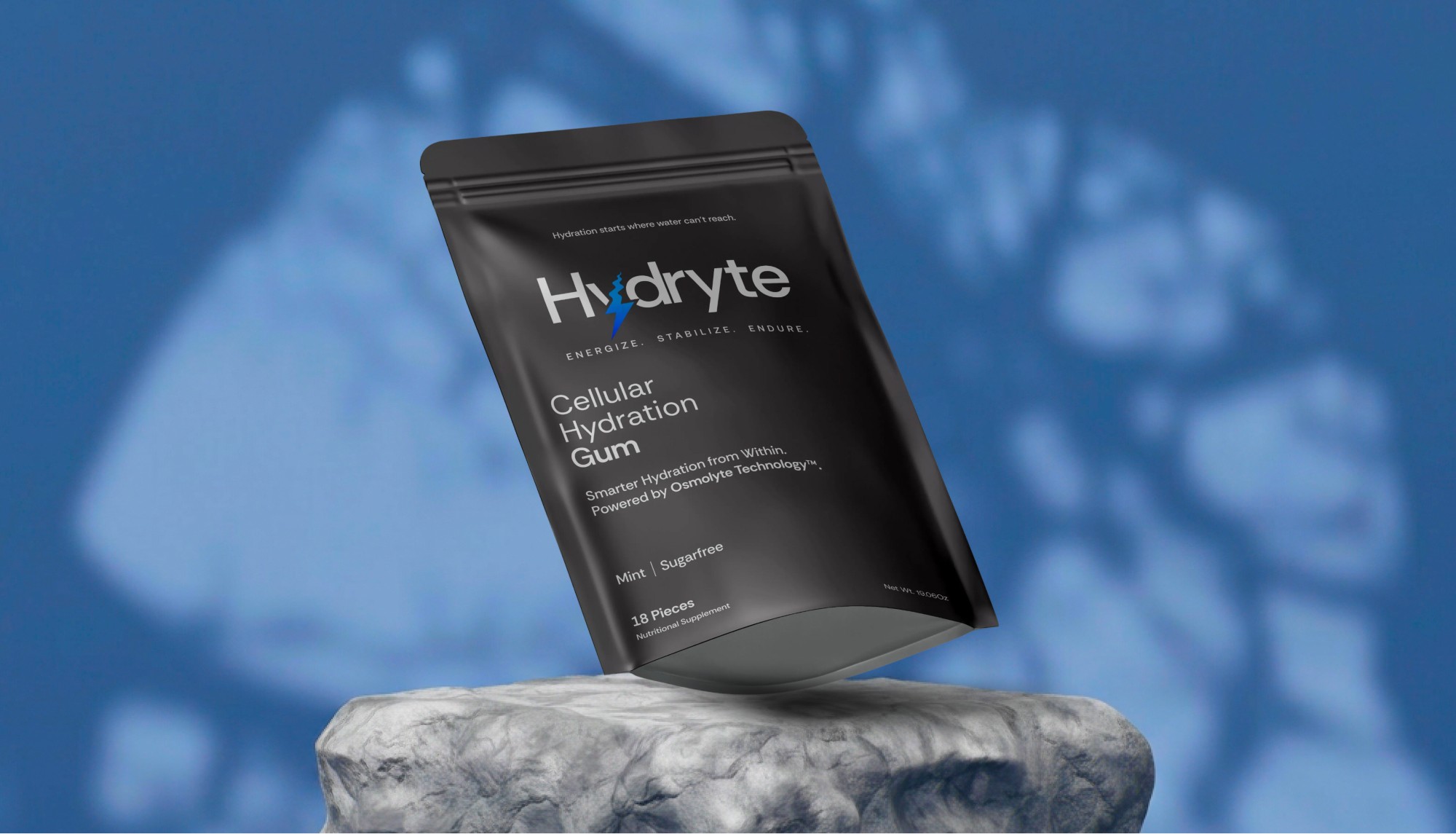
Small changes add up. A glass of water with each meal, a piece of Hydryte during your afternoon slump, and consistent attention to these signals can make a meaningful difference in how you feel day to day.

Related News
PRE-ORDER NOW!